Women’s History Month
March 2, 2026

In celebration of Women’s History Month, we seek to highlight seven extraordinary women from history who have made significant contributions to the fields of health and technology.
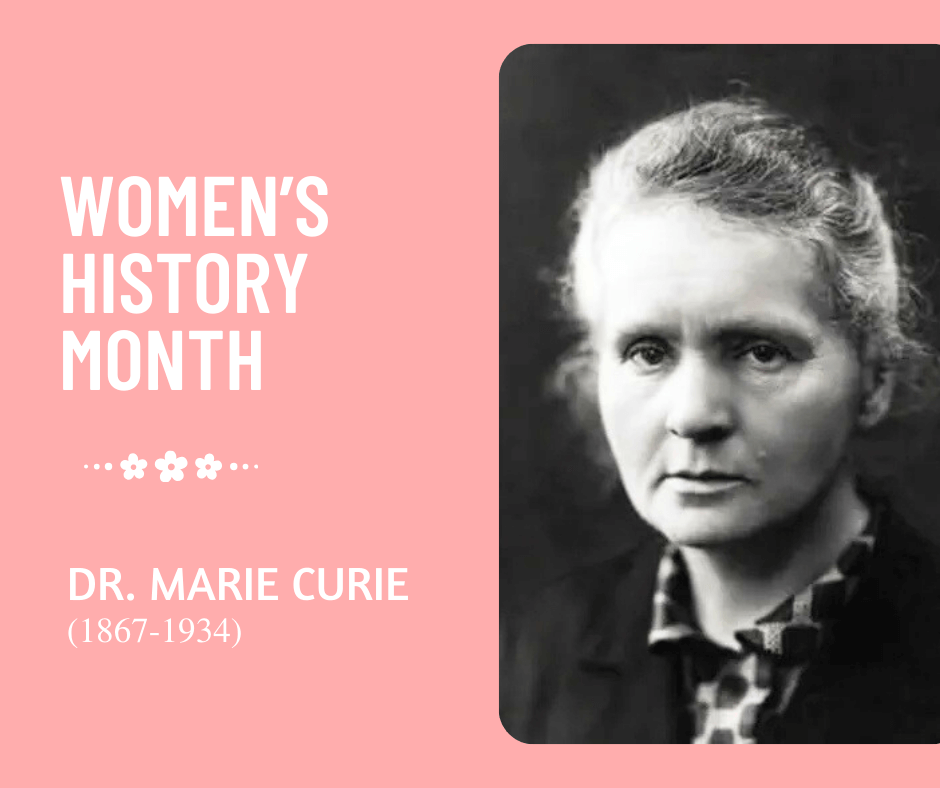
Dr. Marie Curie was a physicist and chemist whose discoveries led to the development of radiation therapy. Her research in radioactivity transformed medical treatments and diagnostic imaging. She was the first woman to win a Nobel Prize and remains the only person to have won Nobel Prizes in two different scientific fields: physics and chemistry.
Dr. Flemmie Pansy Kittrell advanced the field in nutrition science as the first African American woman to earn a Ph.D. from Cornell University. Her extensive research established dietary protein requirements for adults and developed improved nutritional recommendations which greatly influenced national nutrition policies.

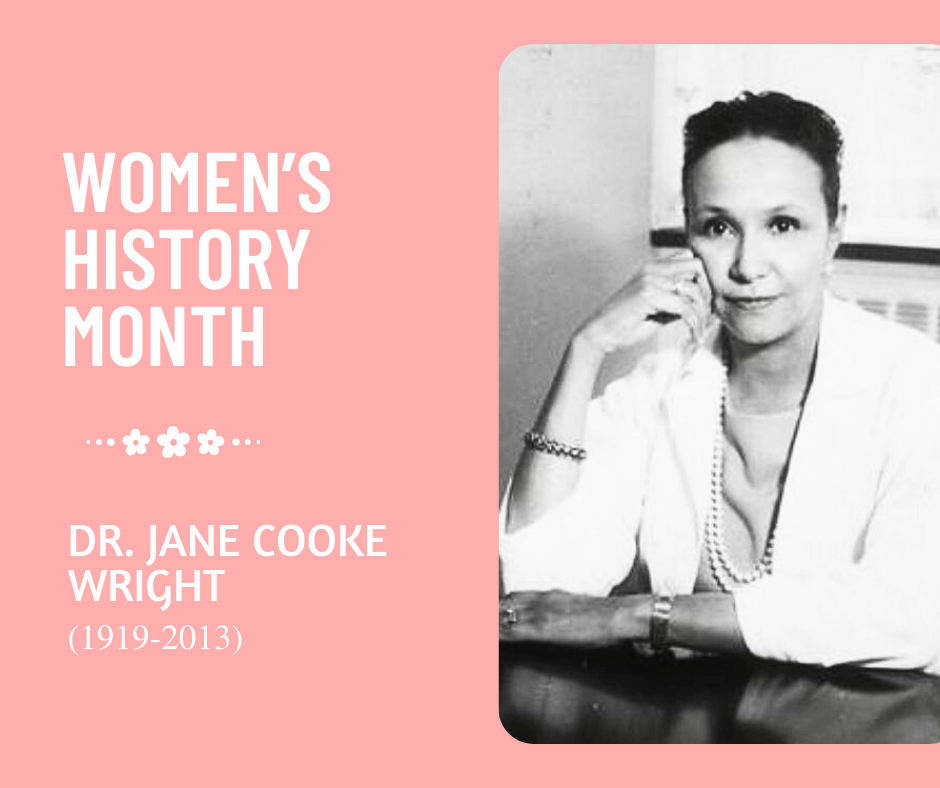
Dr. Jane Cooke Wright established cancer treatment methods that revolutionized oncology practice. She developed innovative techniques using human tissue cultures to test cancer drugs and advanced the clinical use of methotrexate for treating breast and skin cancers. Her methods dramatically improved chemotherapy safety and effectiveness, shaping how cancer is treated today.
Dr. Rosalind Franklin’s x-ray crystallography research was instrumental in discovering the double helix structure of DNA, while the credit went to James Watson and Francis Crick. Her detailed images gave key evidence of the DNA helix structure, helping advance genetics, personalized medicine, and biotechnology.


Dr. Marie Maynard Daly was the first Black woman to earn a Ph.D. in biochemistry in the United States, graduating from Columbia University in 1947. Her groundbreaking research uncovered the crucial relationship between high blood pressure and arterial stiffness, advancing nutritional studies on how protein intake affects kidney function.
Dr. Helen Free transformed diagnostic medicine with her development of dip-and-read urine test strips, a breakthrough that simplified and accelerated disease detection. These strips made it easier to monitor conditions like diabetes and kidney disease, and facilitated the development of test strips for pregnancy, infections, and metabolic disorders.

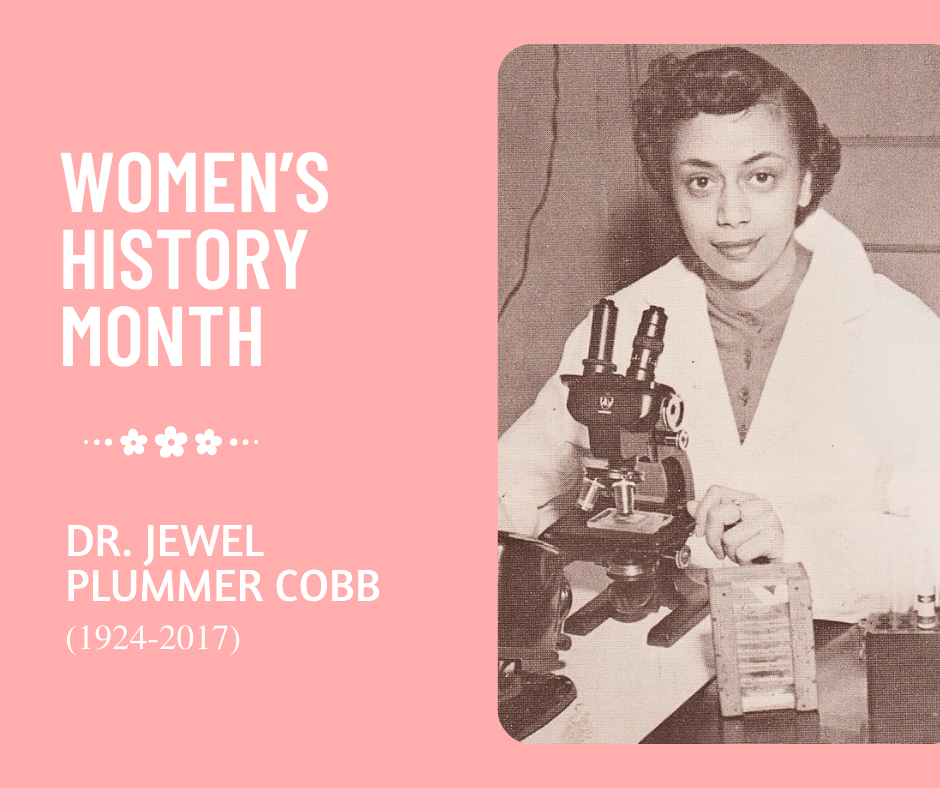
Dr. Jewel Plummer Cobb played a vital role in cancer research that advanced our understanding of how skin cells that produce melanin become cancerous. Her research established a strong foundation for understanding skin cancer and developing chemotherapy for many types of cancer.
Learn more:
Women Pioneers in Medtech: Innovators Who Have Transformed Healthcare